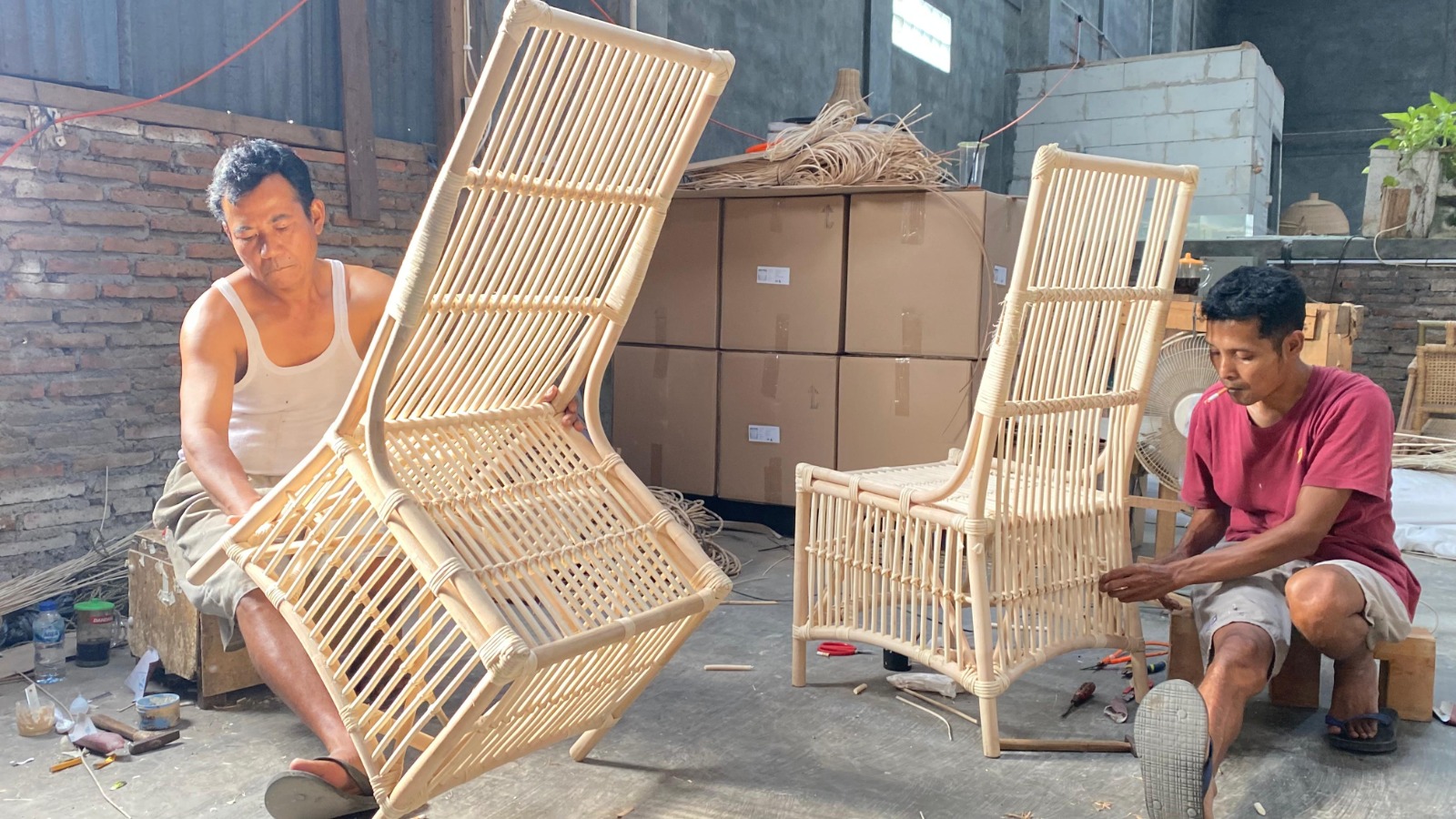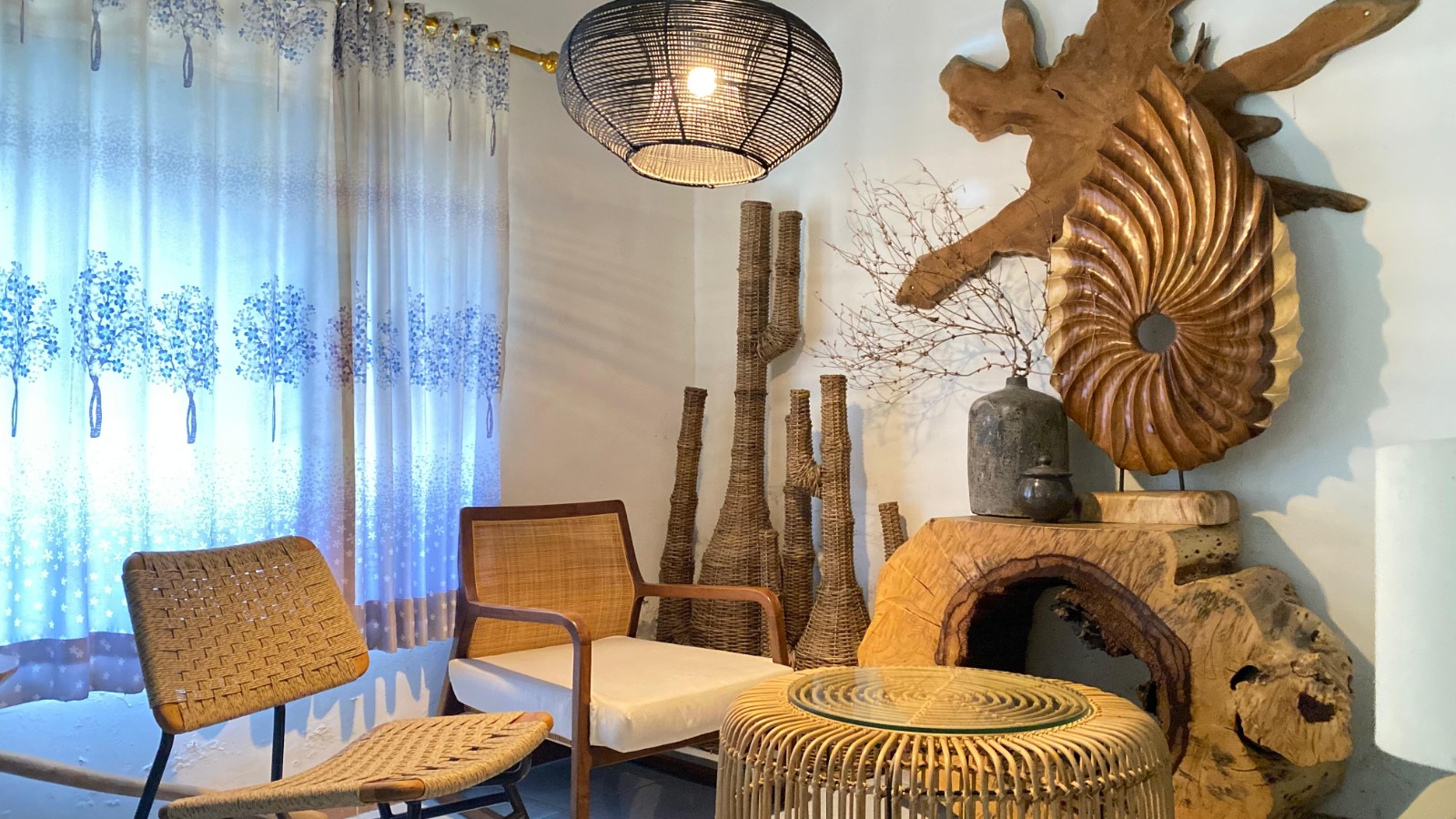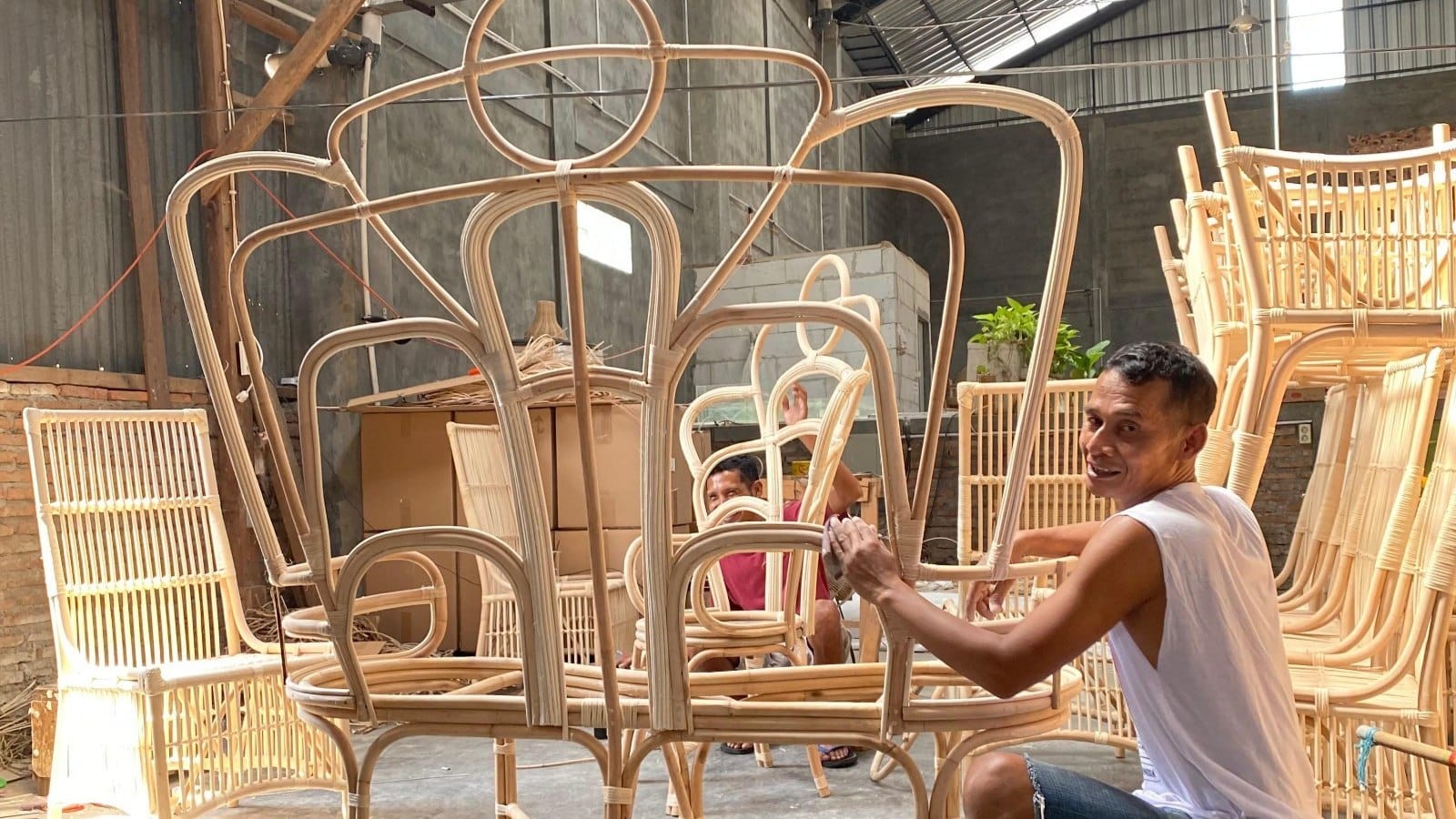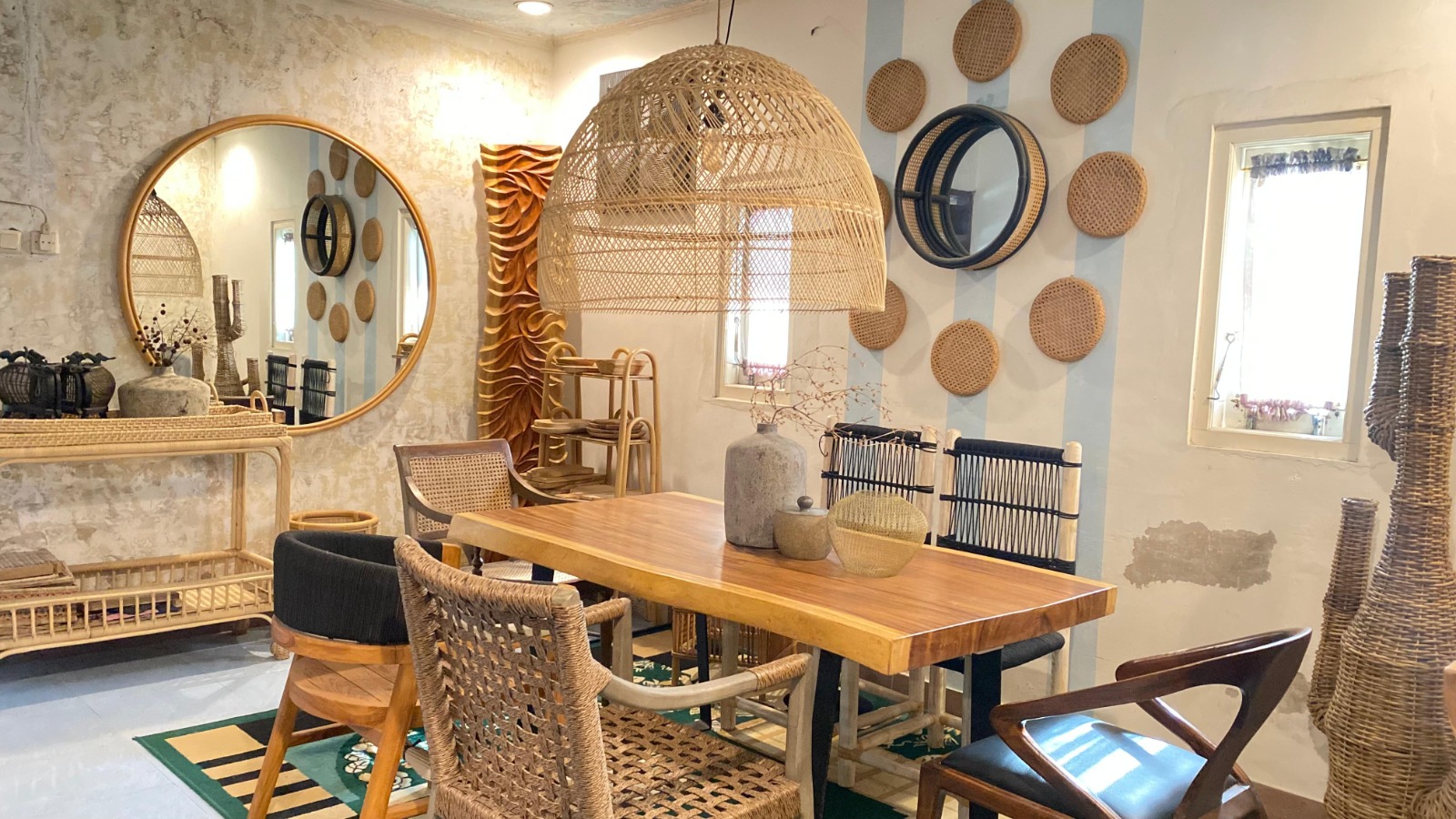
Rattan, a natural material derived from climbing palms, is increasingly recognized for its exceptional qualities and versatility in furniture making. Its unique characteristics make it an ideal choice for various types of furniture, combining aesthetic appeal with functional benefits. This article explores the advantages of rattan as a raw material for furniture and highlights why it remains a preferred option for designers and manufacturers worldwide.
1. Strength and Durability
Rattan is known for its remarkable strength and durability. The material is flexible yet sturdy, which allows it to withstand considerable weight and pressure without losing its shape. This inherent strength makes rattan an excellent choice for furniture that needs to endure daily use while maintaining its structural integrity.
Source:
- Forest Products Laboratory (FPL): Research on the mechanical properties and durability of rattan can be found in various publications by the FPL (FPL.fs.fed.us).
2. Flexibility and Workability
One of the key advantages of rattan is its flexibility. Rattan poles can be easily bent and shaped, making them highly versatile for creating intricate and elegant furniture designs. This flexibility allows artisans and manufacturers to produce a wide range of furniture styles, from traditional to contemporary, without compromising on quality.
Source:
- International Rattan and Bamboo Organization (IRBO): Information on the workability of rattan and its applications in furniture design can be accessed through IRBO (IRBO.org).
3. Eco-Friendliness and Sustainability
Rattan is a sustainable and eco-friendly material. It grows rapidly and can be harvested every few years without damaging the surrounding environment. Unlike hardwoods, which take decades to mature, rattan is a renewable resource that supports sustainable forestry practices. This makes it an attractive option for environmentally conscious consumers and manufacturers.
Source:
- World Wildlife Fund (WWF): The WWF provides insights into the sustainability of rattan and its role in promoting eco-friendly practices (WWF.org).
4. Aesthetic Appeal
Rattan furniture is highly regarded for its aesthetic appeal. The natural texture and finish of rattan provide a warm and inviting look that complements various interior styles. Its ability to be stained or finished in different colors adds to its versatility, making it suitable for both indoor and outdoor furniture.
Source:
- Designboom: Articles and case studies on the aesthetic qualities of rattan in furniture design can be found on Designboom (Designboom.com).
5. Lightweight and Maneuverable
Rattan furniture is notably lightweight compared to other types of furniture made from solid wood or metal. This characteristic makes rattan furniture easy to move and rearrange, which is especially beneficial in dynamic living spaces or commercial settings where flexibility is important.
Source:
- Furniture Today: Reviews and reports on the practical benefits of lightweight furniture materials, including rattan, are available on Furniture Today (FurnitureToday.com).
6. Affordability
Compared to many hardwoods, rattan is often more cost-effective. Its rapid growth and availability contribute to lower production costs, which can make rattan furniture more affordable without compromising on quality. This affordability allows consumers to access high-quality, stylish furniture at a lower price point.
Source:
- Bureau of International Recycling (BIR): Information on the cost-effectiveness and economic advantages of using rattan in furniture production can be found on the BIR website (BIR.org).
Conclusion
Rattan’s unique combination of strength, flexibility, sustainability, aesthetic appeal, lightweight nature, and affordability makes it an outstanding choice for furniture manufacturing. Its ability to adapt to various design styles while being environmentally friendly further solidifies its position as a preferred raw material in the global furniture industry.
References:
- Forest Products Laboratory (FPL) (FPL.fs.fed.us)
- International Rattan and Bamboo Organization (IRBO) (IRBO.org)
- World Wildlife Fund (WWF) (WWF.org)
- Designboom (Designboom.com)
- Furniture Today (FurnitureToday.com)
- Bureau of International Recycling (BIR) (BIR.org)